 3 min
3 min
The Fascinating History of the Hula Hoop: From Ancient Times to Modern Play
 Pooja Agrawal
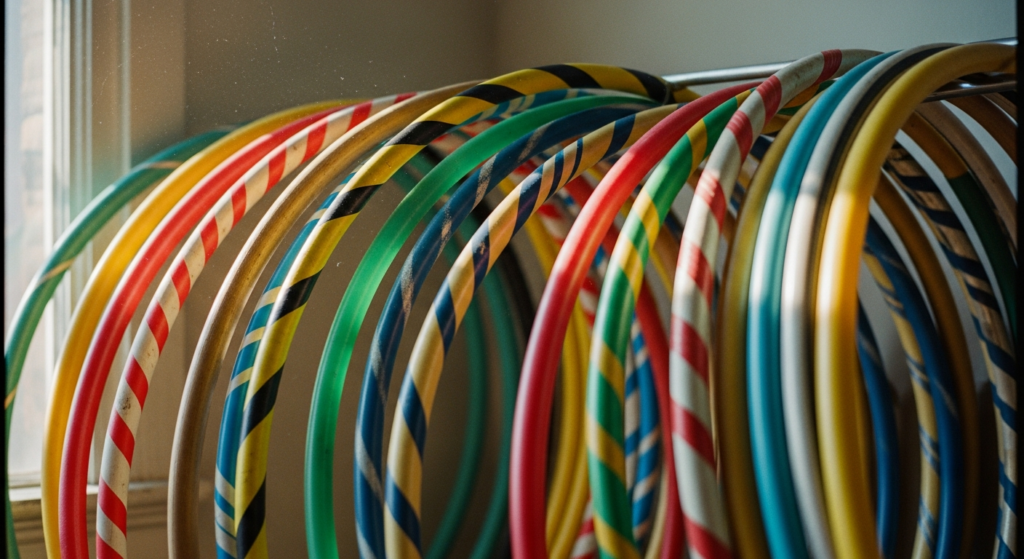
The hula hoop, a simple yet mesmerizing circular toy, has spun its way into the hearts of millions across the globe. While many associate it with childhood fun or fitness routines, the hula hoop has a rich history that stretches back thousands of years. This seemingly modern toy has roots in ancient civilizations, and its journey from a simple loop to a global phenomenon is nothing short of fascinating.
Ancient Origins: The Early Days of the Hoop
The concept of the hula hoop is far from a 20th-century invention. In fact, the history of hooping dates back to ancient times. Evidence suggests that people in ancient Egypt and Greece used hoop-like objects for both play and exercise. These early hoops were made from natural materials like grapevines, stiff grasses, or flexible branches. Children and adults alike would spin these hoops around their waists, much like we do today.
In ancient Greece, the hoop was more than just a toy—it was also a tool for exercise. Greek athletes would roll hoops along the ground or spin them around their bodies as part of their training regimen. This practice was believed to improve agility, balance, and overall physical fitness.
The Birth of the Modern Hula Hoop
Fast forward to the 20th century, and the hula hoop as we know it began to take shape. In 1958, Arthur “Spud” Melin and Richard Knerr, the founders of the Wham-O toy company, revolutionized the hoop by creating a plastic version that could be mass-produced. Inspired by a visit to Australia, where they observed children twirling bamboo hoops around their waists, the duo saw the potential for a new toy sensation.
They named their creation the “Hula Hoop” after the Hawaiian dance, the hula, which involves similar hip movements. The product was an instant hit. Wham-O sold over 25 million hula hoops in the first four months of production, and the hula hoop craze swept across the United States, spreading quickly to other parts of the world.
The Hula Hoop Craze: A Cultural Phenomenon
The hula hoop wasn’t just a toy—it became a cultural icon. In the late 1950s and early 1960s, children and adults alike embraced the hula hoop with enthusiasm. It wasn’t uncommon to see people of all ages hooping in their backyards, at parks, and even on the streets. Hula hoop competitions became a popular pastime, with participants vying to see who could spin the hoop the longest or perform the most tricks.
The hula hoop’s popularity was further fueled by its appearances in movies, television shows, and advertisements. Celebrities and public figures were often seen hooping, adding to the toy’s appeal. The hula hoop’s simplicity and universal appeal made it a symbol of fun, fitness, and carefree enjoyment.
The Evolution of the Hula Hoop
While the initial hula hoop craze eventually faded, the hoop itself never disappeared. Over the decades, the hula hoop has undergone numerous transformations, evolving into more than just a children’s toy.
In the 1980s and 1990s, the hula hoop experienced a resurgence as a fitness tool. Weighted hula hoops were introduced, allowing users to engage in low-impact workouts that target the core, hips, and waist. Hooping became a popular form of hula hoop exercise, especially for those looking to add a fun and dynamic element to their fitness routine.
The 2000s saw yet another evolution of the hula hoop, this time in the realm of performance art. LED hula hoops, with their vibrant lights and customizable patterns, became a favorite among performers at music festivals, circuses, and dance shows. These high-tech hoops added a new level of visual appeal to hooping, making it a mesmerizing form of entertainment.
Hula Hooping Today: A Global Phenomenon
Today, the hula hoop continues to captivate people of all ages. It has become a staple in fitness classes, dance routines, and even mindfulness practices. Hooping communities have sprung up around the world, where enthusiasts share tips, tricks, and techniques. The hoop has also found a place in competitive sports, with hoopers participating in contests and events that showcase their skills and creativity.
In many ways, the hula hoop has come full circle—returning to its roots as a tool for both play and exercise. Its enduring popularity is a testament to its simplicity, versatility, and the joy it brings to those who spin it. At HoopStar Academy, children across India, UAE, and the USA are discovering the magic of hula hooping through structured online classes that build coordination, confidence, and core strength.
Conclusion: The Timeless Appeal of the Hula Hoop
The history of the hula hoop is a story of innovation, cultural shifts, and the timeless human desire for play. From its ancient origins to its modern-day incarnations, the hula hoop has remained a beloved object, cherished by generations. Whether used for fun, fitness, or performance, the hula hoop continues to spin its way into our hearts, reminding us that sometimes, the simplest things bring the greatest joy.
You Might Also Enjoy
- Can Hula Hoop Reduce Belly Fat? — Explore how hula hooping targets your core and helps burn calories effectively.
- 10 Advanced Hula Hoop Tricks for Core Strength — Take your hooping skills to the next level with these challenging moves.
- 10 Exciting After-School Activities to Engage Your Kids — Discover fun ways to keep children active and entertained after school.
Continue the Hula Hoop Legacy!
Join 10,000+ kids across India, UAE & USA learning hula hoop with HoopStar Academy.